Will Colorado’s drought lead to higher conflicts between humans and bears this spring?
When climate conditions impact natural food for bears, they can be drawn into human sources

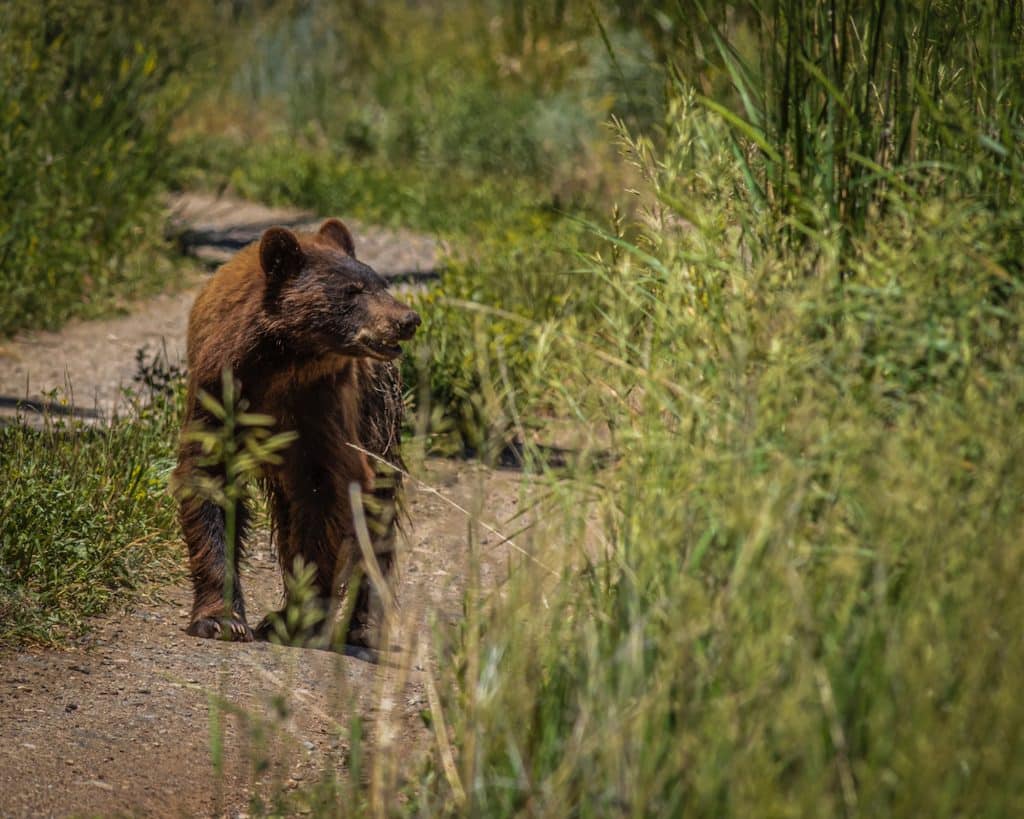
Rick Spitzer/Vail Daily archive
Colorado’s black bears are beginning to stir with the first signs of spring.
While the spring wake-up for bears comes right on schedule, this winter’s historically low snowpack, record high temperatures and deepening drought conditions could impact bear behavior in ways that remain undetermined.
In northwest Colorado, where bear populations are large and conflict with humans is rising year over year, the knowledge that the omnivores’ big appetites, long memories and keen sense of smell can drive them toward human food sources has communities reminding residents and visitors to do their part in preventing conflict.
What are bears up to this spring?
In the spring, it’s typical for male bears to emerge from hibernation starting in mid-March. Mothers and cubs will be the last to emerge — especially those born in January and February — when they head out from their dens closer to the end of April.
Whenever they emerge, the new season kicks off a search for food as they look to replace the calories lost during hibernation.
“In the spring, they are looking for things like grass, flowers and other new vegetation that’s easier for them to digest as they are getting their stomachs used to digesting food after hibernation,” said Rachael Gonzales, Colorado Parks and Wildlife’s spokesperson for northwest Colorado.
To learn more about reporting bear activity or conflict to Colorado Parks and Wildlife, visit CPW.State.CO.US/Living-With-Bears.
“Depending on weather conditions over the next few weeks, there is a potential for increased bear activity in neighborhoods and more populated areas like Steamboat Springs, Aspen or Silverthorne as bears search for food,” she added.
So far, from Jan. 1 to March 31, Gonzales said Parks and Wildlife has received 20 reports of bear activity in its northwest region, which extends west from Grand, Summit and Jackson counties and north from Mesa and Pitkin counties.
Gonzales said this is typical for this time of year — with Parks and Wildlife receiving 19 reports during the same period last year — and qualified that this only accounts for activity reported to the state wildlife agency.
“There may be more activity that’s not being reported to us,” she said.
The majority of this year’s reports so far — 12 — took place in the Aspen area, which consistently ranks among the highest in the state for bear sightings and reports of conflict. Pitkin County had Colorado’s second-highest number of human-bear conflicts last year, behind only La Plata County, which includes Durango.

Lara Xaiz, who serves as the city of Aspen’s wildlife coordinator, said bears are out, getting into trash and trying to get into cars earlier than normal this year.
“Last year, the first bear and trash report I got was April 9, and this year it was March 3,” she said. “So far, I think it’s just one or two bears on the east end of town, but they’re definitely active. They’re getting into trash every night or two since March 3.”
While Aspen has the most reports, the city is not alone in seeing bears emerge, even if reports of encounters remain low elsewhere.
Mike Lane, the communications manager for the city of Steamboat Springs, reported that the police department has received two bear-related calls as of March 31.
“We’re starting to see bears emerge from hibernation and become more active around town and neighborhoods,” Lane said. “With minimal snowpack, bears may have emerged from dens earlier but didn’t need to venture into town (until) recently.”
News you can trust. Straight to your inbox.
Sign up for our daily newsletter: PostIndependent.com/newsletter
Mauri Cummins, the lead code enforcement officer for the Vail Police Department, said the agency has received no reports yet, “but expects activity any day now.”
“We expect a busier season,” Cummins said. “Drought may reduce natural food sources, pushing bears to seek food from humans more aggressively.”
Will drought drive up human-bear conflicts?
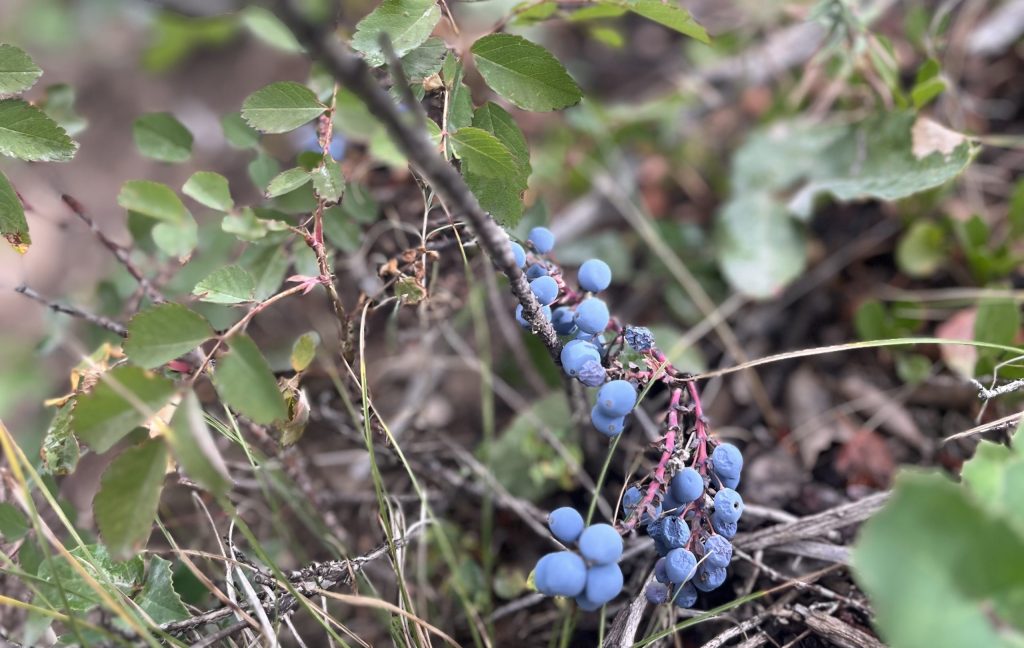
How climate conditions could impact human-bear conflicts this year remains unknown at this point.
“While the unseasonably warm and dry winter may impact some of the early spring foods bears rely on, we don’t know yet what the summer and fall conditions will look like,” Gonzales said.
While bears will snack primarily on grasses and new vegetation in the spring, they turn to fruits and berries in the summer and acorns in the fall. While black bears prefer plant-based foods, they will also consume bugs, fish and other animal remains.
“In the past, we’ve seen years where we’ve had a rough start to the year as far as natural food availability goes and an increase in human-bear interactions,” Gonzales said. “However, summer monsoons led to a highly productive acorn crop in the fall and a drop in interactions and conflicts. We have also seen the reverse occur as well.”
Anything that causes failure of their natural food sources can cause bears to look toward human food sources. This includes everything from bird feeders, grills, pet food and the No. 1 source of human-bear conflict in Colorado: Trash.
This uncertainty — and the looming threats of how drought, late freezes and other climate conditions could impact bears’ natural food sources — is what keeps Xaiz up at night.
“What keeps me up at night? It’s everything from, is there not enough moisture to even produce the berries that they typically eat? Will drought also affect the acorns?” she said. “I’m really hoping that we have a wet spring without major freezes happening. That would help berries and acorns. Otherwise, we really are looking at a spring, summer and fall full of bears trying to get into trash and trying to get into homes eventually.”
In Colorado, you don’t have to look far back in history to see what these late freezes and drought conditions could mean for human-bear conflict.
“Two years ago, we had blossoms out in the spring and then a snowstorm in June, and so it knocked the whole berry crop out for them, and then the drought hit and that knocked their whole acorn crop out,” Xaiz said. “That was what we would consider, for our area, a near food failure, and they were pulling over metal dumpsters, bending the bars off and going to great lengths to get trash.”
Why it’s up to humans to prevent conflict with bears, even in the spring
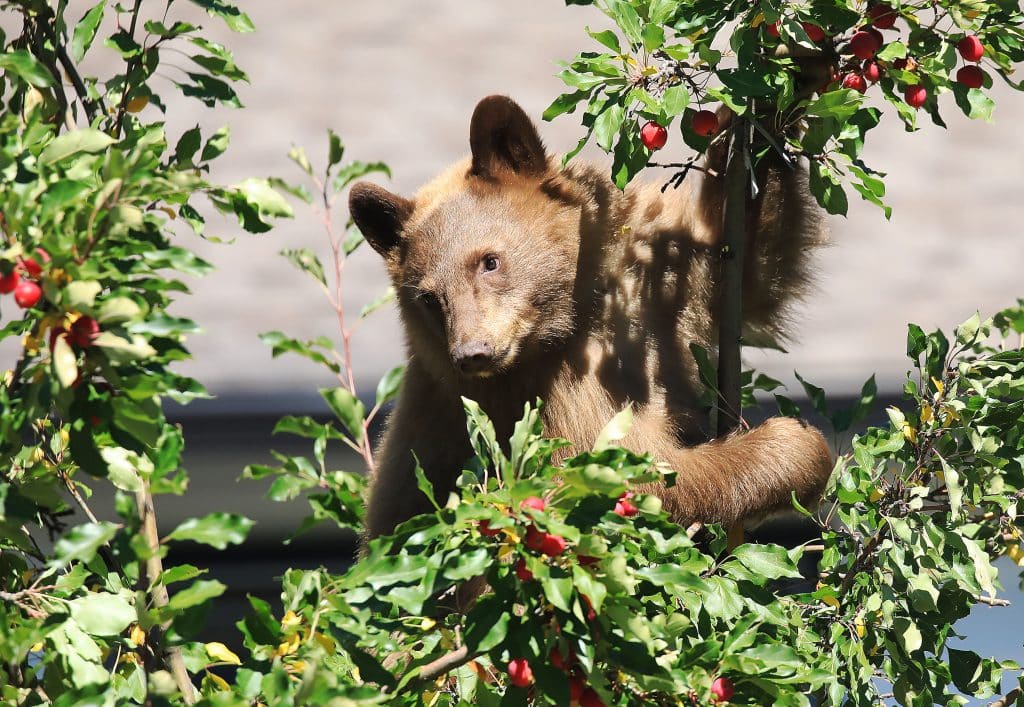
For towns and cities in Colorado’s bear country, regardless of how the climate could impact bear behavior, one thing is for certain: “In years with low and scarce natural food sources, it’s even more important for all of us to do our part to prevent human-bear interactions,” Gonzales said.
With both natural and human food sources, bears are opportunistic eaters.
“They will move around in search of food, which may lead them into neighborhoods or the downtown area,” Gonzales said. “If they don’t find any food, they will move on to continue their search, hopefully leaving the populated area and (going) back into the wilderness area.”
Most human-bear conflict in Colorado comes down to human behavior and, specifically, how well people are securing their trash.
“It’s humans who need to change their behavior and secure their attractants so that bears can’t get trash, birdseed, dirty grills and even food wrappers,” Xaiz said.
This is even more critical because bears are quick studies when it comes to accessing these unnatural sources of food.
“Once bears learn that actions like tipping over trash cans or opening unlocked doors could result in gaining access to food, they are likely to repeat those behaviors,” Gonzales said.
This knowledge can remain fresh in bears’ minds as they emerge in the spring.
“If bears come out and don’t get all of their nutritional needs met by grass and they went into the den last fall after feeding on trash, then they’re going to remember the places where they got trash and they’re going to go back to those places,” Xaiz said, adding that in Aspen these hot spots include “most of our alleys throughout town where they can get a treat here or there.”
The challenge for places like Aspen is that, while bears have a good memory, humans can often forget.
“I feel like by fall, our community is really well buttoned up, but in the springtime, I think it catches people off guard because they don’t really think they’re out yet, or they don’t really believe that they’re out yet,” Xaiz said.
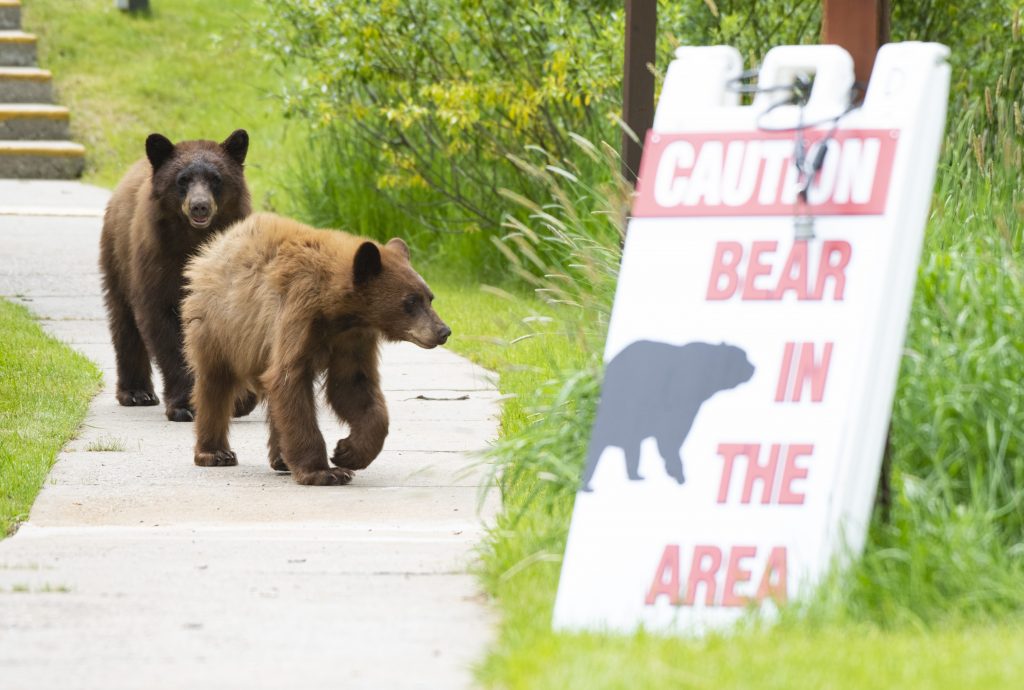
Bears that become habituated to human food sources can create dangerous situations for themselves and humans. Altering human behavior is the only true tool for reducing conflict.
“The question always comes up, why can’t we just feed them? Especially in a bad food year,” Xaiz said. “There are many reasons not to, but one of them is that their whole body is set up around how much food they get, and if they have a plentiful food source because we’re artificially boosting their food sources, then they go into the den and implant more embryos. Then, the following year, they have even more young to take care of. And we could have another food failure the following year.”
For Parks and Wildlife and communities used to dealing with bears, prevention and education are the focus of all conflict reduction efforts.
“While it’s still too early to tell what bear encounters will be like over the coming months, if everyone acts now, we can hopefully have an impact on future activity,” Lane said. “As always, early prevention is key. If the community works now to remove and secure attractants — such as trash (private and dumpsters), bird seed, pet food and other unsecured food sources — it can help reduce encounters and prevent bears from becoming conditioned to easy food access in residential and commercial areas. Taking extra steps now is key to success.”
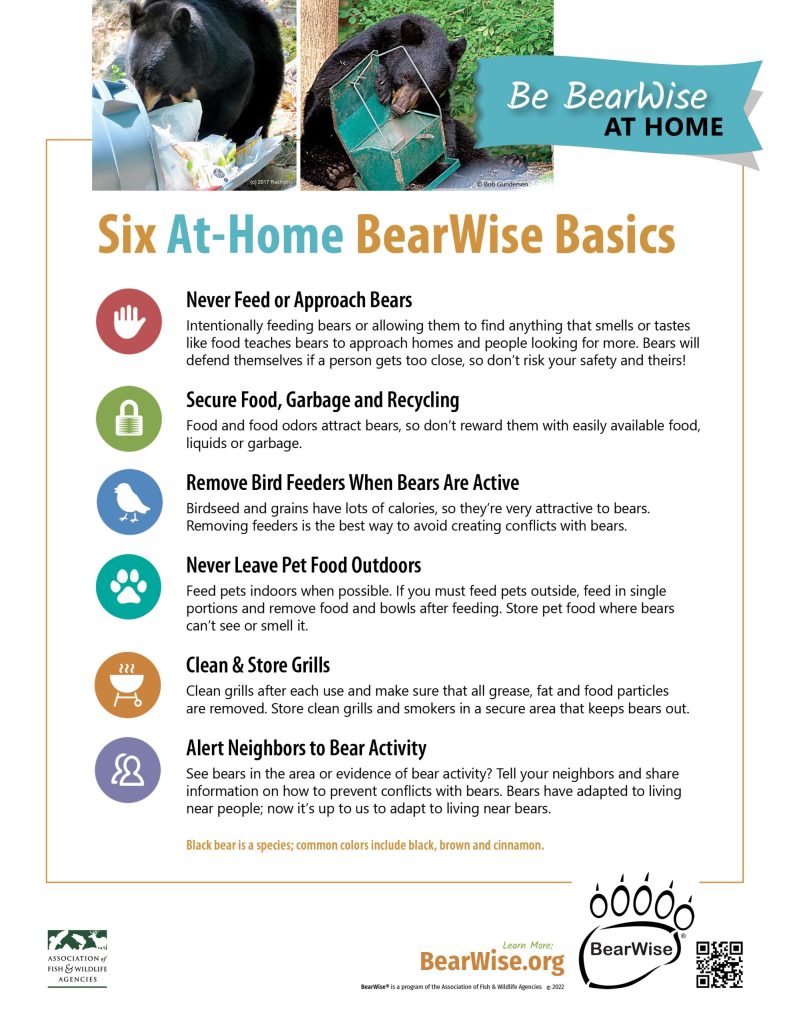
Last year, Colorado Parks and Wildlife joined BearWise, a national program sponsored by the Association of Fish and Wildlife Agencies. The program offers resources and materials to educate the public about living with black bears.
The BearWise “basics” include: never feed or approach bears, secure food, garbage and recycling, remove bird feeders when bears are active, never leave pet food outdoors, clean and store grills and alert neighbors to bear activity.








Support Local Journalism
Support Local Journalism
Readers around Glenwood Springs and Garfield County make the Post Independent’s work possible. Your financial contribution supports our efforts to deliver quality, locally relevant journalism.
Now more than ever, your support is critical to help us keep our community informed about the evolving coronavirus pandemic and the impact it is having locally. Every contribution, however large or small, will make a difference.
Each donation will be used exclusively for the development and creation of increased news coverage.