Health insurance rates rise across Colorado, with the biggest increases hitting the Western Slope
Western Slope counties are seeing steeper increases to health insurance premiums compared to the state average

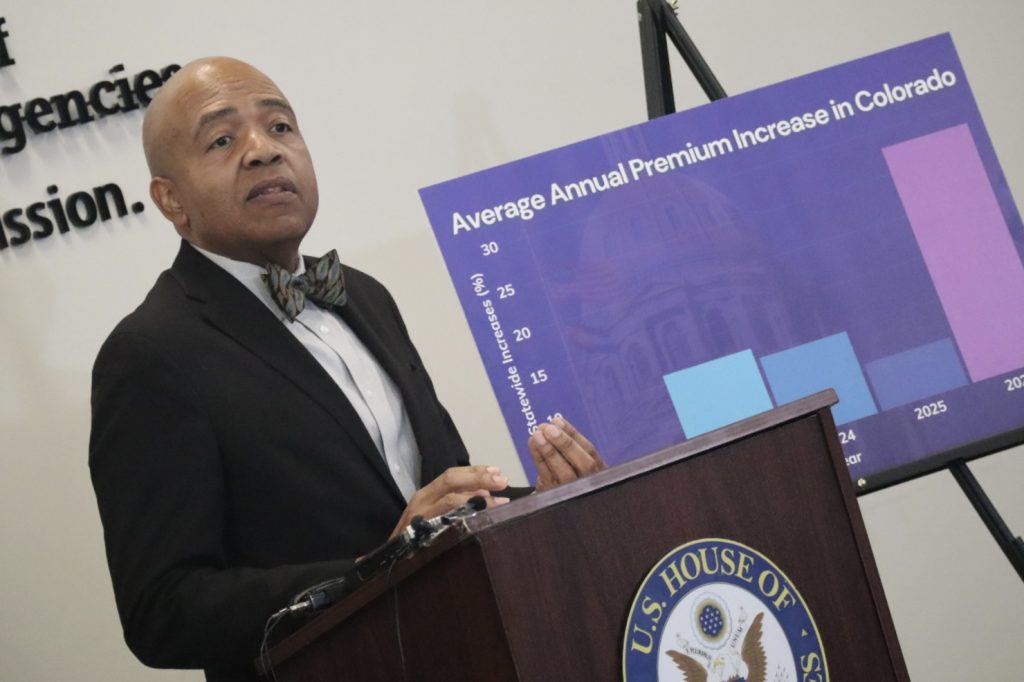
Robert Tann/Post Independent archive
Health insurance premiums for Coloradans using the state’s Affordable Care Act marketplace are increasing by an average of 10% in 2027, lower than preliminary rates showed in June. Western Slope residents, however, are set to see even higher increases.
The Colorado Division of Insurance announced the final 2027 premium rates for private health insurance plans in late September. The 10% average increase to individual market premiums is notably lower than the 15% national median, according to a release from the division.
Affordable Care Act marketplaces, including Connect for Health Colorado, provide health insurance to individuals who do not receive coverage through an employer, in addition to serving small businesses that purchase coverage for employees. Premiums for small employers are expected to increase by an average of 14%, according to the release.
The average premium for individuals living in the state’s west region — the division’s rating area, which includes the entire Western Slope, minus Mesa County — will increase by around 11.8% in 2027. Premiums for small employers in the region are expected to increase by 14.6%, slightly higher than the statewide average.
Mesa County is seeing the steepest increase in the state at just over 15%.
State efforts soften 2027 health insurance hikes
Colorado Insurance Commissioner Michael Conway said Colorado’s premium increases can partially be attributed to Congress’ failure to extend the federal enhanced Affordable Care Act premium tax credits in 2025, after Democrats failed to overcome Republican opposition in the U.S. Senate to keep the subsidies from expiring.
The subsidies were initially passed in 2021 as part of a COVID recovery bill. Their expiration in January 2026 caused health care premiums on state-run marketplaces to double for many Western Slope customers.
“Despite the loss of the enhanced premium tax credits, we are doing everything we can to keep health insurance prices down so Coloradans can afford access to health care,” Conway said in the release. “But make no mistake: Congress still needs to restore the subsidies that millions of Americans relied on to afford their health insurance.”
The Division of Insurance said Colorado saved consumers over $42 million on their premiums for 2027 through the rate review process. Prior to announcing final rates, the division reviewed submitted premium rate filings from insurance companies to ensure they complied with state and federal laws, and to “protect consumers from excessive or unfair premiums.”
Colorado lawmakers also took action during the August 2025 special session to soften the loss of the federal subsidies. Additionally, a law signed by Gov. Jard Polis earlier this year extended some state health insurance affordability programs, including the Colorado Premium Assistance program. Through the program, financially assisted customers could see an estimated net premium increase of just $20 per month from 2026 to 2027, rather than an average of almost $70 per month.
While Colorado is faring better than most states this year due to these state policy efforts, consumer advocates warn that another double-digit increase could be overwhelming for Coloradans already struggling with affordability.
Even with the state’s help, the division reported a 7% reduction in enrollments during the first part of 2026, with many families struggling to keep their insurance plans.
“Congressional attacks on the (Affordable Care Act) have made it harder for states to keep coverage affordable, although our legislature has taken steps to blunt the impacts on Coloradans,” said Adam Fox, deputy director of the Colorado Consumer Health Initiative, in a news release. “Costs are rising across the board and Coloradans will be hurting, having to choose between another premium hike or going uninsured so they can cover other basic necessities.”
Western Slope insurance carriers to see a range of rate increases
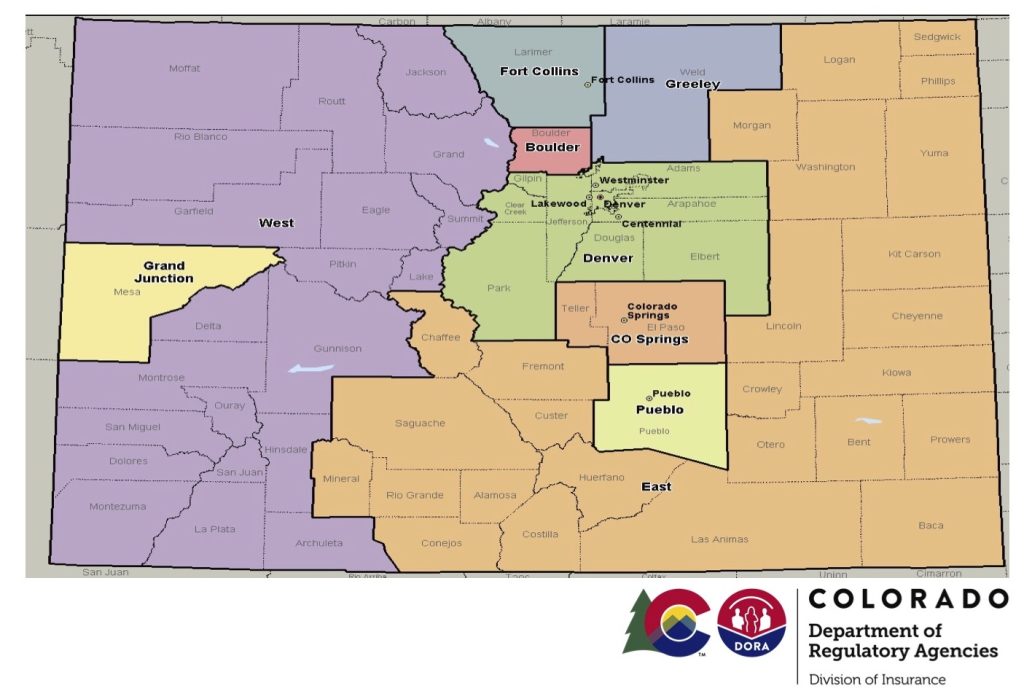
The marketplace will offer plans from seven insurance carriers in 2027, with four offering plans in the division’s Western rating area, depending on the county: HMO Colorado through Anthem, Rocky Mountain HMO through United Healthcare, Peak Health Alliance through Denver Health Medical Plan or Elevate, and Select Health.
Final 2027 rates show Select Health is on track to see the highest average increase in the region — 22.5% — followed by Rocky Mountain HMO with an increase of 16.8%, Peak Health Alliance with an increase of 8.4% and HMO Colorado with 7.2%. Open enrollment begins on Nov. 1 and will run through Jan. 15. 2027.
“Insurance carriers initially requested increases in premiums as high as 20% for some plans, as the market is still in turmoil from the loss of enhanced (Affordable Care Act) tax credits,” Fox said. “We need to take a closer look at the prices that hospitals and pharmaceutical companies are charging, and insurance carriers aren’t doing enough to control costs. We must rein in excessive profits in the healthcare industry.”
Connect for Health Colorado opened its online Estimate and Explore tool in October, allowing customers to compare coverage and costs before the enrollment period.
Customers who receive financial help could find plans that offer lower costs compared to the statewide average. Connect for Health Colorado’s data shows that roughly 60% could find a plan for $10 or less per month, and 75% could find a plan for $75 or less per month if they shop and compare, according to a news release.
“Our message to Coloradans is simple: Take advantage of this time,” said Kevin Patterson, chief executive officer of Connect for Health Colorado, in the release. “Compare your options, consider how your health care needs may have changed, and get help from an expert if you need it. You don’t have to make a decision today but you can prepare and be ready on Nov. 1 when it’s time to enroll.”











Support Local Journalism
Support Local Journalism
Readers around Glenwood Springs and Garfield County make the Post Independent’s work possible. Your financial contribution supports our efforts to deliver quality, locally relevant journalism.
Now more than ever, your support is critical to help us keep our community informed about the evolving coronavirus pandemic and the impact it is having locally. Every contribution, however large or small, will make a difference.
Each donation will be used exclusively for the development and creation of increased news coverage.