Roaring Fork Schools column: Navigating headwinds in the fiscal landscape
Roaring Fork School District
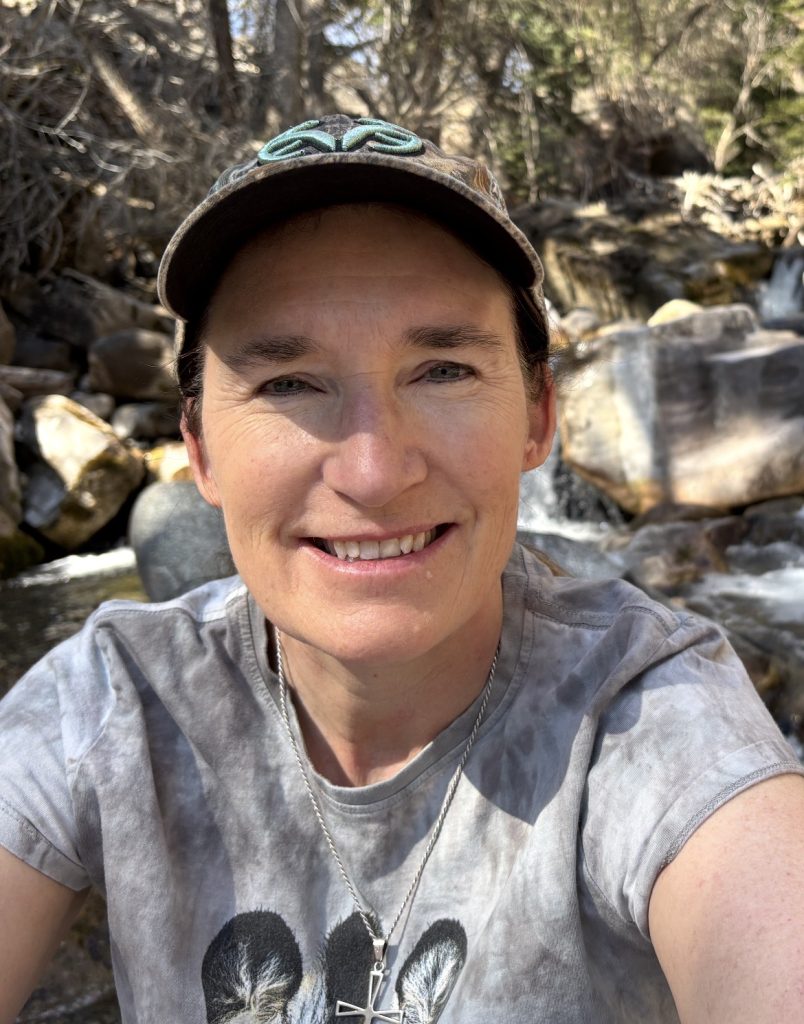
Roaring Fork School District/Courtesy
In my more than 20 years of service as a public-sector chief financial officer, I have never seen a state budget forecast so dire. My experience includes 25 years as a CFO, including 18 years in public schools and six years in local government.
I was hired by the Roaring Fork School District in fall 2024 to help address major internal financial challenges caused by previous program decisions and system failures. Since then, we have radically transformed our internal financial practices and controls. We have overhauled our finance department, increased training for financial stakeholders, returned to managed health care, and restored timely and accurate financial reporting. We have done this work with transparency, accountability, and by communicating with constituents openly and honestly about our challenges. I can say with confidence that, just 18 months later, we have resolved our internal financial issues.
While we have instilled quality financial practices internally, RFSD is now facing serious external financial challenges, including state funding uncertainty and declining enrollment. We are looking at up to a $2.8 million state funding formula shortfall in addition to financial impacts from declining enrollment, and we want our community to understand these funding challenges.
As of March 19, Colorado lawmakers are working to close a $1.5 billion budget gap. Just two years ago, the state budget gap stood at roughly $200 million, which seemed difficult at that time but now seems like a cakewalk compared with the current legislative session. Since public education makes up nearly one-third of the state budget, it is inevitable that impacts will be felt by local school districts. Following several years of budget cuts to education, as well as other fiscal impacts to RFSD, we are facing a particularly tough financial outlook.
Though the state budget and its precise impacts have not yet settled for the upcoming fiscal year, this is an important moment to discuss how school funding works in general and why Colorado school districts like RFSD are facing increasing financial pressure.
School districts are funded on a per-pupil basis, with the state setting a per-student funding amount through its school finance formula. In other words, a district’s total program funding is that year’s per-pupil funding amount multiplied by the total number of students enrolled.
But where that per-student funding comes from is not so simple, nor is it static. Local property taxes are applied to each district’s total program funding, and the state then backfills the remaining money needed to reach the total amount. What is both surprising and frustrating is that when local property values, and thus taxes, go up, schools do not receive that increase in tax dollars; instead, the state decreases its share. In other words, the pie stays the same size; the local slice gets bigger and the state slice shrinks. Over the past two years alone, state funding has decreased by 11 percentage points of that pie, from 26% to 15%, while property tax and local funding have increased by the same percentage. There is no other way to describe this as problematic for schools and unfair to local taxpayers.
What’s more, schools can only increase their funding by asking local voters to increase their taxes further by supporting ballot measures. We are grateful to have local voters who have supported schools time and again through mill levy overrides, for operations, and bonds, which can only fund capital projects. Our 2015 bond supported renovations at every school and the development of Riverview School. Four local mill levies from the past 30 years have provided additional funding to keep kindergarten through third-grade classroom sizes small, support technology investments, and increase staff salaries. This local support has improved every aspect of learning and working in the Roaring Fork schools, and we do not take it for granted.
Despite the generous support of local voters and the work that we have done internally, we are now facing a complex and difficult financial environment and need multiple strategies to address the external challenges. One strategy we are exploring is the possibility of a mill levy override next fall to support staff salaries and recruitment and retention efforts in response to the state’s reduction in our funding related to local cost of living. We will continue to develop a specific MLO proposal for the Board of Education based on feedback from our community in the coming months.
In my 25 years of public-sector service, I have had the privilege of shepherding government organizations through multiple challenges, leaning heavily on financial excellence, transparency, and accountability as critical tools for stability and sustainability. The challenges our public schools are facing, and will continue to face, are significant, and we have made huge strides toward fiscal accuracy, transparency and accountability over the past 18 months. Despite the dynamic funding situation at the state level, we are adapting and refining our efforts while continuing to focus on students, schools, and high-quality learning. While the current financial reality does not make this easy, our focus remains on student outcomes, increasing academic growth and achievement for all students, and continuing to sustain schools that ensure our students and communities thrive.
Christy Chicoine is the chief financial officer for the Roaring Fork Scool District.






Support Local Journalism
Support Local Journalism
Readers around Glenwood Springs and Garfield County make the Post Independent’s work possible. Your financial contribution supports our efforts to deliver quality, locally relevant journalism.
Now more than ever, your support is critical to help us keep our community informed about the evolving coronavirus pandemic and the impact it is having locally. Every contribution, however large or small, will make a difference.
Each donation will be used exclusively for the development and creation of increased news coverage.