CDOT comes to Aspen to discuss RFTA, Entrance to Aspen
A panel with CDOT executive director Thursday revealed both transit successes and challenges

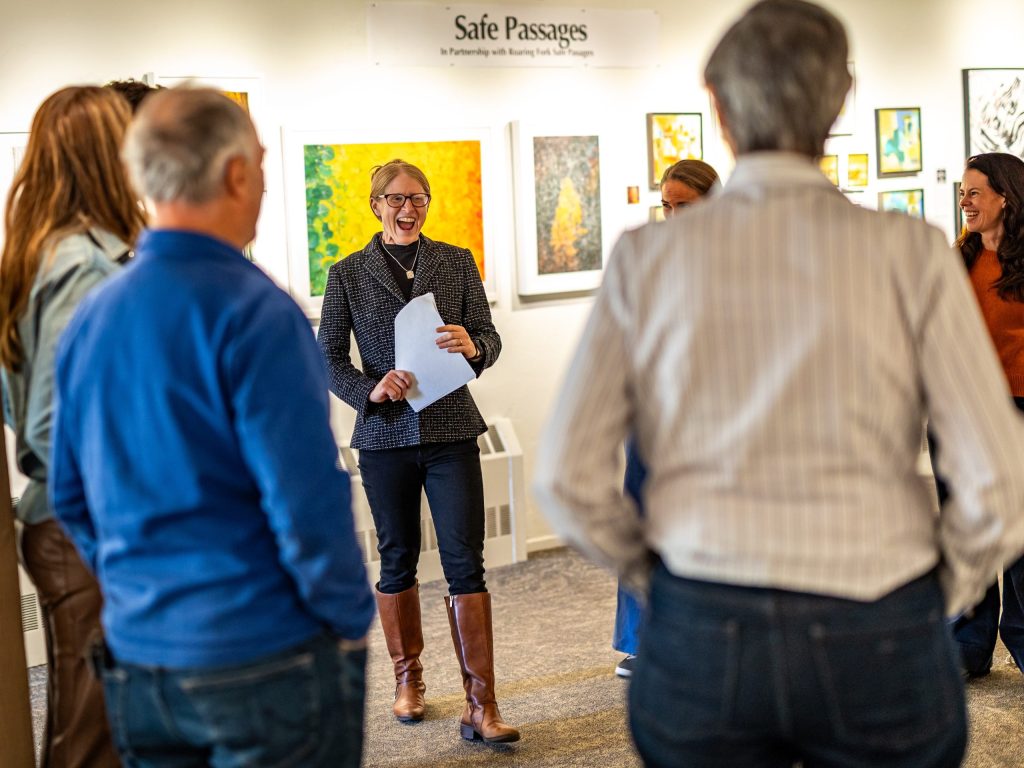
Austin Colbert/The Aspen Times
Aspen leaders are ready to take “bold action” when it comes to transportation solutions.
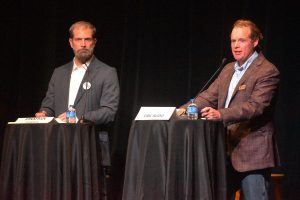
That was the consensus on Thursday at a discussion between the Colorado Department of Transportation Executive Director Shoshana Lew and a panel of stakeholders, including Roaring Fork Transportation Authority CEO Kurt Ravenschlag, Aspen Mayor Rachael Richards and Vice President of Community Engagement at Aspen One Michael Miracle.
It was hosted and led by Danny Katz, executive director of the organization CoPIRG, a nonprofit that advocates for Coloradans’ health, safety and well-being.
While speakers weighed the challenges ahead, the event was also a time to reflect on the many successes the region, and the state as whole, has seen.
Lew, who leads transit initiatives across the state, called RFTA the “flagship for Colorado.”
“When asked to highlight an example that kind of shows what transit looks like in Colorado, I always mention RFTA,” she said, pointing to elements like the new electric bus fleet and the mobility hubs in Glenwood Springs.
Ravenschlag acknowledged the many successes RFTA has seen in his 13 years in the role; in that time, the authority unveiled VelociRFTA, the first rural bus rapid transit system in the nation. RFTA is also the second largest transit system in the state.
But, he said, the team is “not just resting on our laurels,” noting a number of challenges ahead. For him, the biggest challenge RFTA faces is identifying a cohesive vision for the future.
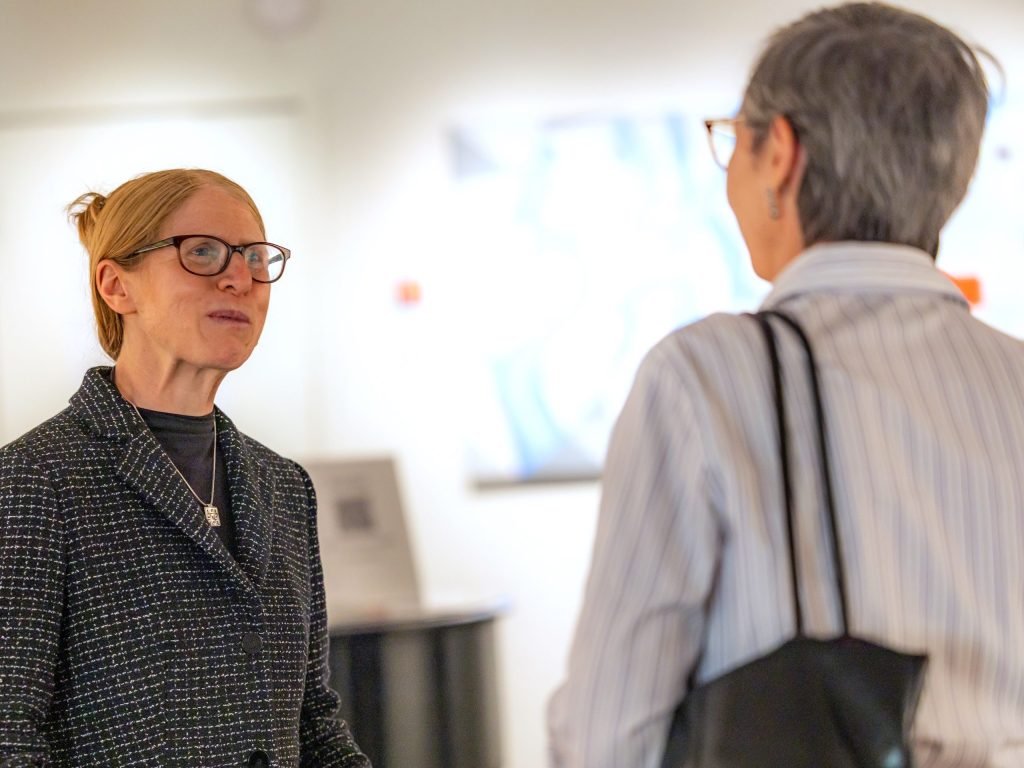
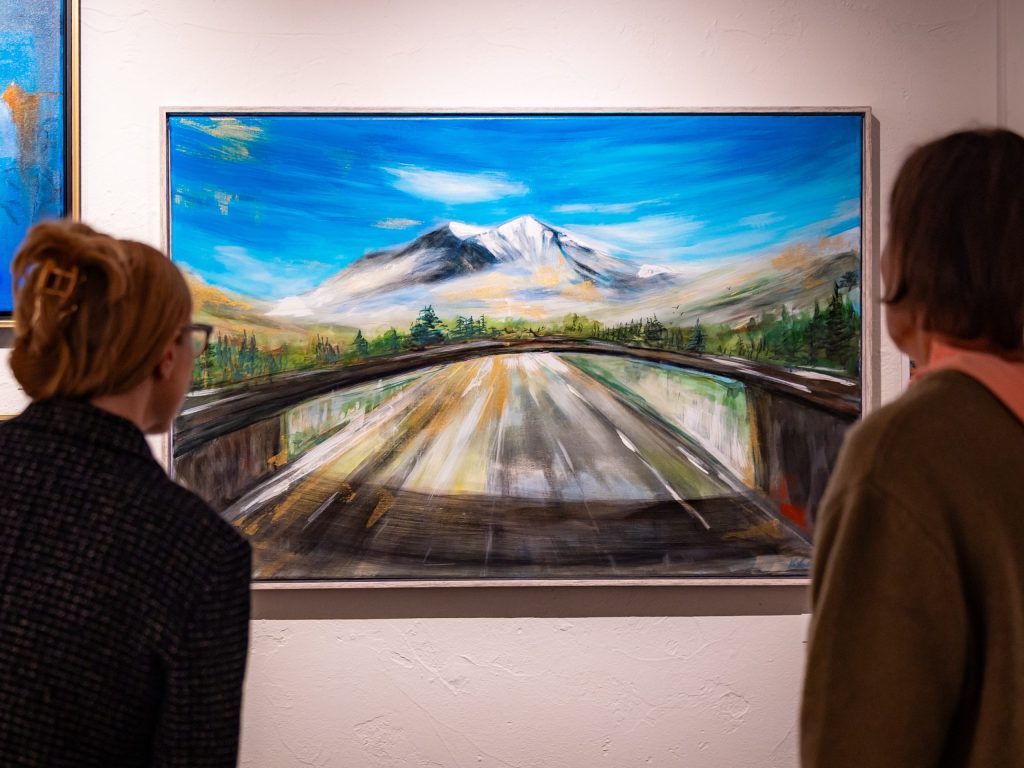
“I personally believe that we’re at a fork in the road,” he said, “Do we go down one path where we continue to use band-aids to solve our problems? Or do we go down the other path where we take bold action?”
Other speakers expressed their desire for action.
“We can no longer afford to kind of hit mass transit singles in this game. We need to hit mass transit home runs and mass transit grand slams,” said Miracle, who, in addition to his role at Aspen One, is also a member of the Roaring Fork Transportation Coalition and sits on an Airport task force.
He added that he’s very interested in a gondola, pointing to the success that other resort towns have seen. Telluride’s gondola transports nearly three million riders a year, according to their website — making it one of Colorado’s busiest transit systems.
But Richards pointed out that, with all the conversations around a potential gondola or light-rail, progress on major initiatives gets lost.
Aspen and Pitkin County as a whole are in the midst of numerous transit projects. With the Airport Modernization Project recently kicking off and the Aspen/Pitkin County Airport set to be closed from April to November 2027, talk of a ground transportation center with a potential gondola is in the works, while Snowmass is having discussions about a new Mall Transit Center that would combine the local and regional transit systems.
Richards also highlighted the Entrance to Aspen — a decades-long endeavor to improve safety, traffic and emergency evacuation along Colorado Highway 82.
“I would like to see a process where we go forward with the Entrance to Aspen, where we do not put it on hold,” she said.
But while Richards and the Aspen City Council have some say in the realities of a timeline for the Entrance, CDOT and the Federal Highway Administration have the ultimate role in decision making for the project.
County Commissioner Greg Poschman asked Lew how the department felt about “sticking their toe into a fraught situation.”
She responded that their current approach is to keep the solution “locally driven.”
“We don’t want to force a solution on any region,” she said. “We’ve kind of taken a backseat but as active partners.”
Richards doubled down that the project needs to move forward.
“I don’t want to see us spinning around in circles anymore,” she said. “We need real answers now.”
Original reporting from aspentimes.com
CDOT comes to Aspen to discuss RFTA, Entrance to Aspen
Aspen leaders are ready to take “bold action” when it comes to transportation solutions.




Support Local Journalism
Support Local Journalism
Readers around Glenwood Springs and Garfield County make the Post Independent’s work possible. Your financial contribution supports our efforts to deliver quality, locally relevant journalism.
Now more than ever, your support is critical to help us keep our community informed about the evolving coronavirus pandemic and the impact it is having locally. Every contribution, however large or small, will make a difference.
Each donation will be used exclusively for the development and creation of increased news coverage.