5 things visitors should know before camping in Colorado’s national forests this summer
Developed campgrounds in the nation’s most visited national forest begin opening by mid-May

Staff Report Follow
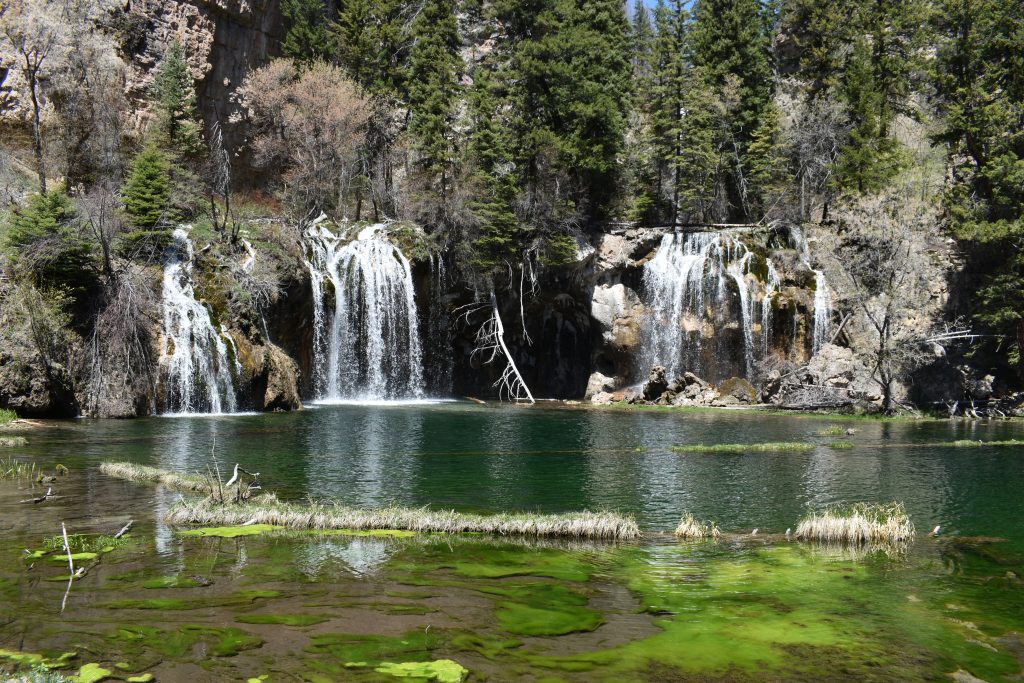
Taylor Cramer/Post Independent
As Colorado’s national forests prepare for the summer recreation season, the U.S. Forest Service is sharing five things visitors need to know about wildlife, wildfires and human waste.
Colorado has 11 national forests, including the nation’s most visited, White River National Forest, which spans over 2.3 million acres and attracts over 13 million visitors annually. In the spring and summer, visitors flock to the federal public lands for hiking, biking, climbing, fishing, horseback riding, hunting and camping.
“Whatever camping experience you are after, think about these five things — planning ahead, checking the latest rules and regulations, storing your food properly, being proactive about human waste, and using common sense with fire,” White River National Forest Developed Recreation Program Manager Paula Peterson said in a statement.
National forest visitors who book a reservation at a developed campground ahead of time on Recreation.gov don’t have to worry about finding a dispersed site, which can sometimes be difficult on busy weekends or holidays, according to a news release. Developed campgrounds in the White River National Forest open as early as mid-May and popular sites often book up quickly.
Proper food storage is always necessary in Colorado’s national forests due to black bears, according to the news release. National forest officials said black bears become accustomed to eating human food very easily, which can result in the bear being killed for human safety.
The White River National Forest has a food-storage order, requiring food to be stored in a bear-resistant container or vehicle at all of its developed campgrounds and many dispersed camping sites to help prevent human-wildlife conflicts. For more information on those orders and which campgrounds they apply to, visit FS.USDA.gov/r02/whiteriver/alerts/food-storage-order.
While nobody likes to talk about it, campers and backpackers also have to be ready to deal with going to the bathroom in the woods. Vault toilets are one of the advantages of choosing developed campgrounds, but those staying at dispersed campgrounds won’t have the same luxury, according to the news release.
The White River National Forest “strongly recommends” dispersed campers pack out solid human waste instead of digging a hole to bury waste. At the Homestake Valley Campground on the Eagle-Holy Cross Ranger District, carrying out solid waste is required.
As Colorado faces drought conditions, national forest visitors need to use common sense with fire and respect any fire restrictions that are in place, according to the news release. To check current fire restrictions, visit FS.USDA.gov/r02/whiteriver/fire/info.
If fires are allowed, officials said campers at developed campgrounds must use the metal rings provided and some should use the metal rings if they’re dispersed sites, according to the news release. Guests should never leave the fire unattended and completely extinguish it so that it is cool to the touch, before leaving. It is recommended that backpackers use gas stoves rather than light campfires. Campers should only burn paper and wood and should not burn trash, plastic or cans.



Support Local Journalism
Support Local Journalism
Readers around Glenwood Springs and Garfield County make the Post Independent’s work possible. Your financial contribution supports our efforts to deliver quality, locally relevant journalism.
Now more than ever, your support is critical to help us keep our community informed about the evolving coronavirus pandemic and the impact it is having locally. Every contribution, however large or small, will make a difference.
Each donation will be used exclusively for the development and creation of increased news coverage.