Q&A: Meet the Democratic primary candidates for Colorado House District 13
Chris Floyd and Consuelo Redhorse are the candidates in the Democratic primary

Staff Report Follow
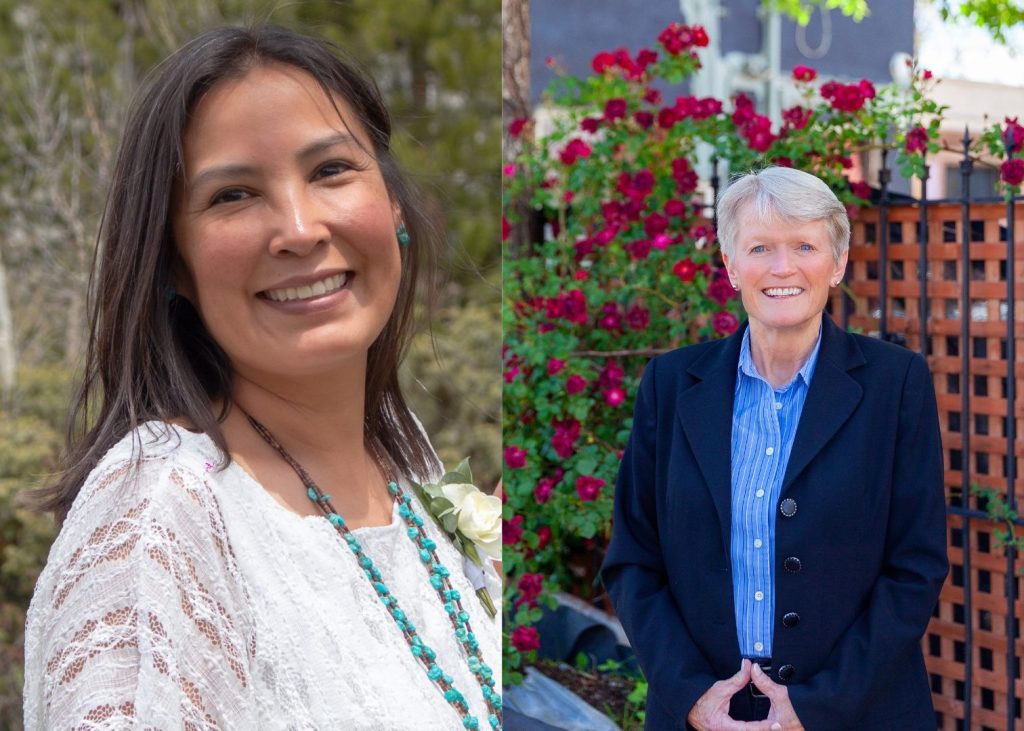
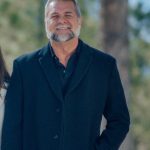
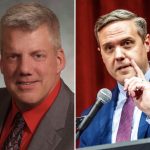
Courtesy photos
Chris Floyd and Consuelo Redhorse are the candidates in the June 30 Democratic primary for Colorado’s House District 13. The Post Independent asked each candidate five questions about some of the key issues facing the district.
Question 1: What do you believe is the single most pressing issue facing House District 13 and how would you tackle this issue as a state representative?
Floyd: The single most pressing issue facing Colorado is the severe cost of living crisis, which is driven primarily by the shortage of affordable housing. This impacts residents across the state but is felt even more acutely in our rural and mountain communities, stretching household budgets and pushing essential workers further from the places they serve. As a state representative, I will tackle this housing crisis using a multi-pronged, bipartisan legislative strategy including:
- Update zoning and streamline permitting to allow for higher-density projects
- Infrastructure incentives through matching grants and tax credits for developers who build affordable housing
- Consumer protections for renters
- First-time home buyers assistance
- Property tax relief for long-term homeowners and seniors
- Expanded funding for workforce housing
- Incentivizing public-private-nonprofit partnerships
- Increased use of modular and factory-built homes to expedite building and reduce construction costs due to mountain communities’ short building windows and localized labor shortages
Redhorse: I believe the most pressing issue facing House District 13 is affordability. Too many people in our mountain and rural communities are struggling with the rising costs of housing, healthcare, transportation, childcare, groceries, gas and everyday needs. Many are making tough choices between paying bills, getting medical care or staying in the communities they love. As housing costs rise, workers are moving further away, taking longer commutes or leaving entirely, making it harder to keep classrooms staffed, clinics open, businesses running and communities connected.
As a state representative, I would focus on solutions that help people stay and build a future here. This includes locally driven housing solutions, investing in education and workforce development, expanding affordable healthcare and improving transportation options. The best solutions come from the communities affected by them, so I will prioritize listening, collaboration and state policies that reflect the realities of mountain and rural Colorado.
Question 2: Colorado mountain towns are notorious for their high cost of living and steep housing costs. If elected, how do you plan to address these concerns in your district?
Floyd: Affordability is one of the defining issues facing our towns and addressing the unique pressures of resort and rural economies requires a multi-pronged approach. To ensure working-class residents and essential workers are not priced out of the communities in House District 13, in addition to the housing strategy noted above, I will champion mitigating the escalating cost of living by:
- Advocating for expansion of local funding mechanisms for workforce housing, rental and mortgage assistance, and homelessness prevention
- Expanding Proposition 123 funding to make it more accessible for mobile home communities to help stabilize rents and support community members’ response to potential sales
- Reforming construction-defect laws to incentivize affordable housing construction
- Supporting legislation like Senate Bill 26-1 that allows local governments to use properties they own for workforce housing developments, as well as expand property tax credits to help incentivize expansion of housing options.
Redhorse: I support solutions shaped by the communities they affect. Families and locals in House District 13 are feeling cost of living pressures from the rising costs of housing, childcare, healthcare, groceries, utilities, transportation and housing all at the same time.
We need policies that strengthen workers’ rights, workforce development and the affordability of services people rely on every day. This includes stronger oversight of utility rates, investment in local food systems and infrastructure, and policies that expand childcare capacity, including home providers and reducing regulatory barriers without lowering safety standards.
We need workforce housing, deed restrictions that keep homes affordable and short-term rental policies that balance tourism with housing availability. I would also support efforts to prevent corporations from purchasing homes that should be available to local workers and families.
I also support giving local governments more tools to make decisions that fit their communities, not unfunded or one-size-fits-all policies.
Question 3: Colorado just experienced the lowest snowpack on record and is facing widespread drought conditions. What do you believe are the most impactful ways drought is affecting voters in your district and how would you address it?
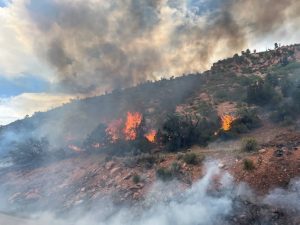
Floyd: Colorado’s record-low snowpack last winter, unusually warm temperatures this spring, and continuing extreme drought drastically altered the landscape in House District 13. The most substantial impacts have been to agriculture, mountain tourism, the outdoor recreation economy and rural livelihoods, as well as contributing to enhanced risk of wildfires. I would address these cascading crises by advocating for federal disaster relief funds and expanded grant programs from the Colorado Department of Agriculture to incentivize farmers and ranchers to move towards drought-resistant crop rotation and develop improved water storage infrastructure.
I would also advocate for funding to support forest management, watershed protection and localized firefighting resources through the Colorado Division of Fire Prevention and Control. In addition, the lack of snow crippled the winter ski season and summer eco-tourism in our mountain communities. I would support investments in economic diversification to help resort-dependent communities transition to year-round, climate-resilient tourism models.
Redhorse: The most impactful ways that drought affects voters and residents in House District 13 are through tourism, outdoor recreation, wildfire risk and agriculture.
Water is essential for tourism and outdoor recreation economies, and wildfire risk is a public safety issue. When tourism slows, there are fewer hours available to the workforce and lower wages put more pressure on people already affected by our communities’ high cost of living.
Reliable water is also essential for crops, livestock, local food systems, rural economies and the long-term health of the land and the way of life in many Colorado communities. Agriculture supports jobs and local businesses, and the preservation of water rights, wildlife corridors and scenic landscapes.
Drought is both an economic and community issue. I support protecting watersheds, investing in water conservation, supporting forest health and wildfire mitigation and providing safety nets for our communities when they are facing difficult seasons.
Question 4: Colorado has faced a growing budget deficit in recent years. How do you plan to balance the need to rein in government spending with the needs of voters in your district?
Floyd: Balancing the state budget requires navigating (the Colorado Taxpayer Bill of Rights’) strict constitutional spending limits while addressing funding shortfalls for essential public services. This means focusing on prioritizing and preserving funding for core services, including universal preschool and K-12 education, transportation, public safety and Medicaid, while addressing ever-increasing costs for providing such services.
With Medicaid accounting for a significant part of the state’s recent budget shortfall, we need to look at curbing its administrative expenses and restructure related programs to ensure taxpayer dollars directly reach our most vulnerable populations.
In addition, we need to ensure that the state government lives within its means by right-sizing its operations, reviewing agency spending, improving healthcare efficiencies and trimming spending so that care remains available for those who need it most, while avoiding unnecessary fee hikes or tax increases on our struggling working families.
Redhorse: Much of Colorado’s growing budget deficit is due to the Taxpayer’s Bill of Rights (TABOR) that caps state revenues based on population growth and inflation. Medicare and K-12 education make up the majority of the state’s budget, and their costs are increasing faster than the TABOR cap because they are labor intensive, dependent on technology that is quickly advancing and our population is aging.
Legislators and local governments have had to scale back services due to Colorado’s structural budget deficit and tax reform is a solution, not just TABOR but the state’s use of rolling conformity with federal taxable income that has had a major impact on the state’s tax base.
I support progressive tax reform that provides the flexibility that the state and local governments need to maintain the level and quality of services that all residents in House District 13’s mountain and rural communities need.
Question 5: House District 13 represents a diverse group of communities and interests; how will you work to ensure you meet the needs of constituents who have differing opinions and values than you?
Floyd: Serving a diverse district means putting community needs above personal ideology.
I will bridge divides by prioritizing accessibility, active listening and evidence-based policymaking. I will ensure all voices are heard by hosting regular in-person town halls across the district and maintain open channels for communication, so all constituents have a direct line to their representative. I will also prioritize meeting with local community groups, small business owners and local advocates on both sides of the aisle to fully understand their everyday realities and concerns.
Where community values differ, I will look for shared goals, such as expanding economic opportunities, improving local infrastructure and addressing the cost of living, so that we can build pragmatic, bipartisan solutions. I will also ensure my office functions as a resource for constituents to help them cut through government red tape, regardless of their political affiliation or whether they voted for me.
Redhorse: To serve all constituents in House District 13, including those who have different opinions and values than me, I will consistently listen, show up, ask questions and be accessible. I will lead with curiosity, empathy and a willingness to learn about the experiences and perspectives of the people I represent.
I will build communication systems to understand community needs, keep the community informed and stay accountable to the people I represent. I will also hold conversations with local leaders, workers, families, community groups and others throughout the district and seek out voices too often left of decision making.
My six years as a school board member have taught me that elected officials must serve everyone, not just those who voted for them. If elected, I will bring constituent concerns to the table, use it to shape policy, and work to ensure all people across the district feel heard, respected and represented.
Ballots for the June 30 Colorado primary were mailed to voters starting Monday, June 8. To check your voter registration status, visit GoVoteColorado.gov.




Support Local Journalism
Support Local Journalism
Readers around Glenwood Springs and Garfield County make the Post Independent’s work possible. Your financial contribution supports our efforts to deliver quality, locally relevant journalism.
Now more than ever, your support is critical to help us keep our community informed about the evolving coronavirus pandemic and the impact it is having locally. Every contribution, however large or small, will make a difference.
Each donation will be used exclusively for the development and creation of increased news coverage.