Doctor’s Tip: The pneumonia shot can prevent serious illness and death
Doctor's Tip
Pneumococcal bacteria are present in the normal microbiome of the noses of many children and adults. In certain circumstances, such as when immunity is weakened by influenza or other viral upper respiratory infections, pneumococci can cause serious and sometimes fatal illnesses, including the following:
- Pneumonia, which even in the age of antibiotics still kills people
- Meningitis, which can cause permanent neurological damage and death
- Bone and joint infections
- Life-threatening blood infections, or sepsis
- Ear and sinus infections
The following conditions can make people more susceptible to severe pneumococcal infections:
- Being younger than 2 in children or 65 and older in adults
- Absence of a spleen, usually as a result of trauma
- Chronic heart, liver and kidney disease; diabetes; asthma; and emphysema
- A weakened immune system that occurs with conditions such as chemotherapy, HIV/AIDS and alcoholism
- Medications that weaken the immune system, such as long-term cortisone and newer drugs used to treat autoimmune diseases such as rheumatoid arthritis, including Humira
- Blood disorders such as sickle cell disease
- Smoking
- Cochlear implants
There are several subtypes of pneumococcal bacteria. A few decades ago, vaccines were developed that are effective against many of these subtypes, and newer vaccines are effective against more. The Centers for Disease Control and Prevention recommends pneumococcal vaccines at ages 2, 4 and 6 months and again at 12 to 15 months. Adults 65 and older also need to be immunized, as do older children and adults younger than 65 who have the aforementioned risk factors.
Although the vaccines are not 100% effective, immunized people who develop pneumococcal disease usually have less severe disease and shorter courses compared with people who are not immunized. Side effects other than mild discomfort at the injection site are rare.
“Pneumonia shots” can be obtained in doctors’ offices, pharmacies and public health offices. It is important to remember that there are some subtypes of pneumococci that the shots do not cover and that certain other bacteria can cause pneumonia.
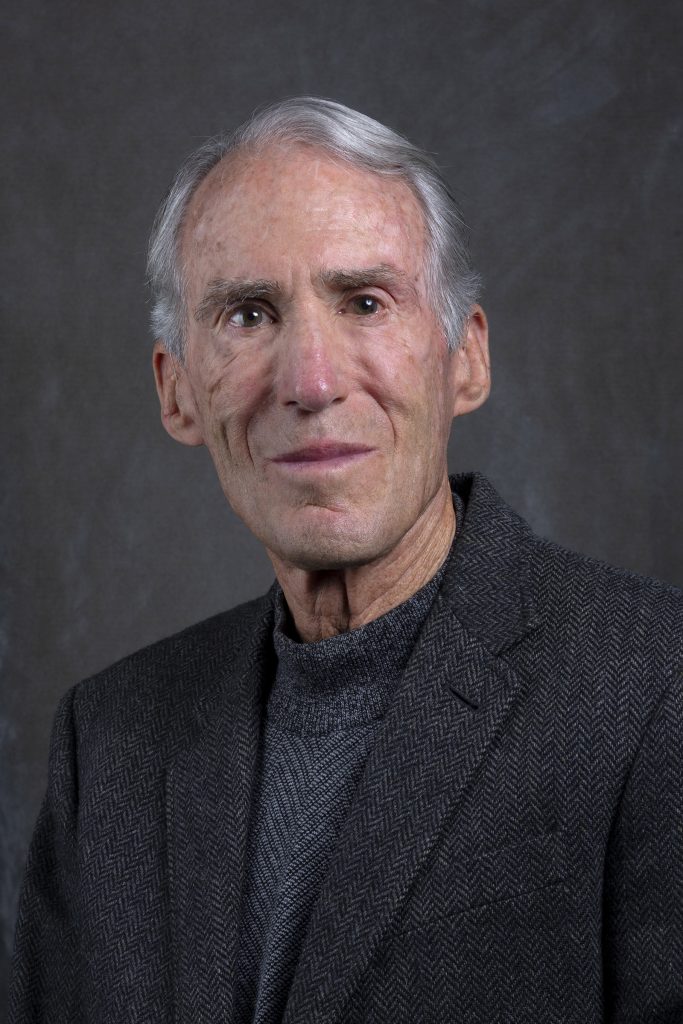
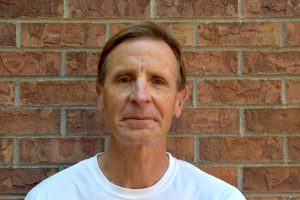
Dr. Greg Feinsinger is a retired family physician with a special interest in prevention, treatment, and reversal of chronic disease through nutrition. He is available for free nutritional counseling and shop-with-a-doc grocery store tours. He can be contacted at 970-379-5718 or gfmd41@gmail.com.






Support Local Journalism
Support Local Journalism
Readers around Glenwood Springs and Garfield County make the Post Independent’s work possible. Your financial contribution supports our efforts to deliver quality, locally relevant journalism.
Now more than ever, your support is critical to help us keep our community informed about the evolving coronavirus pandemic and the impact it is having locally. Every contribution, however large or small, will make a difference.
Each donation will be used exclusively for the development and creation of increased news coverage.