Guest column: The lasting economics of summer
Colorado River Valley Economic Development Partnership

Courtesy
Twenty years ago, I answered a newspaper ad for a summer job with a rafting company. I do not remember the exact wording of the whole ad, but I absolutely remember the part that mattered to me at the time: “free raft trips.”
That was enough for me to make the call and ultimately get the job.
I had no idea that a simple summer job would become one of the most formative experiences of my life. I did things I did not think I was capable of doing. I learned how to read water, how to swim a Class V rapid, solve problems quickly, laugh at myself and work hard while still having the time of my life.
The people I met became my family, and most of them still are. The kids we used to “babysit” around the boathouse are now the ones guiding trips, even taking our own kids, loading boats, calming nervous guests and helping other people create the kind of memories that last longer than anyone expects.
That is the thing about summer economies. They may look seasonal on paper, but their impact is rarely temporary.
In the Colorado River Valley, we are not a traditional resort or tourism hub in the same way some of our neighbors are. Our summer has its own rhythm, and in many ways, its own quiet advantage.
An afternoon at the Rifle pool. A bike ride in New Castle followed by a cold beer. A round of golf at Battlement Mesa, Rifle Creek or Lakota. A concert in the park where children run barefoot through the grass while parents talk with neighbors they have not seen since school let out. A summer filled with camps, playdates and days spent joining parents at work. A community garden finally producing more zucchini than anyone knows what to do with.
These things may sound simple, but they are part of the economy, too.
Summer is when our local businesses stretch their legs. Restaurants fill patios. Shops see travelers passing through. Hotels, outfitters, gas stations, breweries, golf courses, guides, lifeguards, servers, mechanics, landscapers, and parks and recreation crews all feel the season in real time.
Rifle Mountain Park draws climbers from all over the world. Our state parks bring families, anglers, boaters, hikers and campers. Mountain biking continues to grow as both recreation and regional identity. The river itself remains one of our greatest connectors, whether someone is floating, fishing, working or simply sitting beside it with a drink in hand.
And yes, we may have the only place around where you can pull in by boat and get a drink on the river at Rislende Riverside. That alone feels like something worth protecting.
The economics of summer are not just about visitor spending, although that matters. They are about the way a season supports an entire ecosystem.
A teenager’s first job scooping ice cream or helping mow lawns becomes a lesson in showing up on time. A college student guiding rafts comes home with confidence they did not have in May. A young person auctioning a prize pig at the Garfield County Fair learns that 4-H is not just about ribbons, animals and showmanship. It is about responsibility, agriculture, family, patience and pride in doing something well.
This summer carries even more meaning as communities across the country prepare to celebrate the United States’ 250th birthday and Colorado’s 150th birthday. In a region like ours, those milestones should not feel abstract.
We can see history in our ditches and fields, in our main streets, in our rodeo grounds, in our river access points and in the families who have worked this land for generations. We can also see the future in the children showing livestock, the entrepreneurs opening new doors and the seasonal workers discovering that a summer job might shape the next 20 years of their lives.
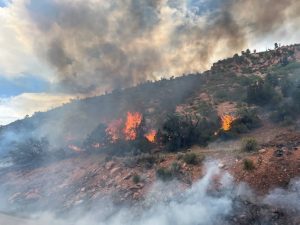
Of course, we do not get to talk about summer here without talking about responsibility. Low snowpack changes the way we think about water, and our dry hillsides remind us to be fire aware.
A river that gives so much to our economy, our recreation and our sense of place also asks something of us in return. In Western Colorado, stewardship shows up in the daily choices we make. It shows up in how we irrigate, how we recreate, how we camp, how we manage events and how we teach visitors to respect the place we are lucky enough to call home.
A strong regional economy grows through many connected pieces, and summer is one of the pieces that helps hold the whole system together. It supports small businesses, builds workforce skills, strengthens community traditions and reminds us why quality of life matters in economic development.
Better jobs closer to home matter, but so do better evenings closer to home. So do slower mornings, longer days and the chance to remember that living here is not only about making a living.
At the rafting company, we used to say, “Summer’s short. Paddle hard.”
It is still true. Mountain seasons are real seasons. They arrive fast, burn bright and leave before we are ready. But that may be why they leave such a lasting mark.
Summer asks us to pay attention while it is here and to the memories being made one year at a time. It will come around again, but never quite the same way. Keep it special, and those memories will last a lifetime.
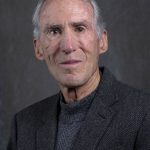
Alicia Gresley is the director of the Colorado River Valley Economic Development Partnership. She lives in Rifle.






Support Local Journalism
Support Local Journalism
Readers around Glenwood Springs and Garfield County make the Post Independent’s work possible. Your financial contribution supports our efforts to deliver quality, locally relevant journalism.
Now more than ever, your support is critical to help us keep our community informed about the evolving coronavirus pandemic and the impact it is having locally. Every contribution, however large or small, will make a difference.
Each donation will be used exclusively for the development and creation of increased news coverage.