Colorado Senate passes Western Slope lawmaker’s bill bolstering penalties for child sex crimes
The measure, co-led by Sen. Dylan Roberts of Frisco, comes as cases of human trafficking increase in Colorado

Robert Tann/The Post Independent
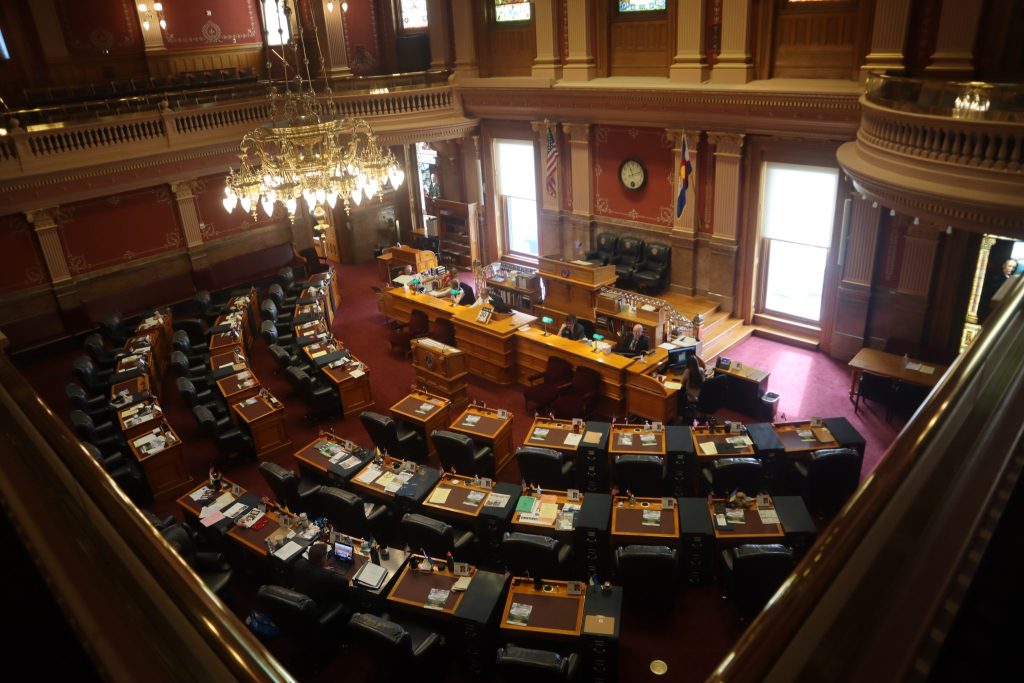
A bill to increase penalties and expand criminal charges for sex crimes involving children cleared the Colorado Senate unanimously on Monday, April 20.
The measure, Senate Bill 15, is sponsored by Sens. Dylan Roberts, D-Frisco, and Byron Pelton, R-Sterling, as well as House Majority Leader Monica Duran, D-Wheat Ridge, and House Minority Leader Jarvis Caldwell, R-Colorado Springs.
Roberts, a former deputy district attorney for Eagle County, said cases of commercial sexual activity involving children are on the rise in Colorado.
A 2024 report by the Common Sense Institute, a Colorado-based think tank focused on free market enterprise, found that Colorado ranked 10th in the nation for human trafficking reports, with 84 incidents, based on FBI data. The report noted that virtually every U.S. state saw a spike in human trafficking reports during and after 2021.
Roberts, during a preliminary Senate vote on the bill last week, said crimes involving children are mostly committed against “young girls who are under the age of 18 by older men, mostly white and socially and economically advantaged, who purchase and solicit children for commercial sexual activity.”
Roberts added that Colorado already has laws against that type of activity, but added, “This is not what this (bill) is about. This is about making sure that the punishment for those crimes fits what I think most Coloradans would expect, which is prison time.”
He said state law provides a loophole for sex offenders to avoid prison or jail time by allowing a judge to grant probation to those convicted of a crime.
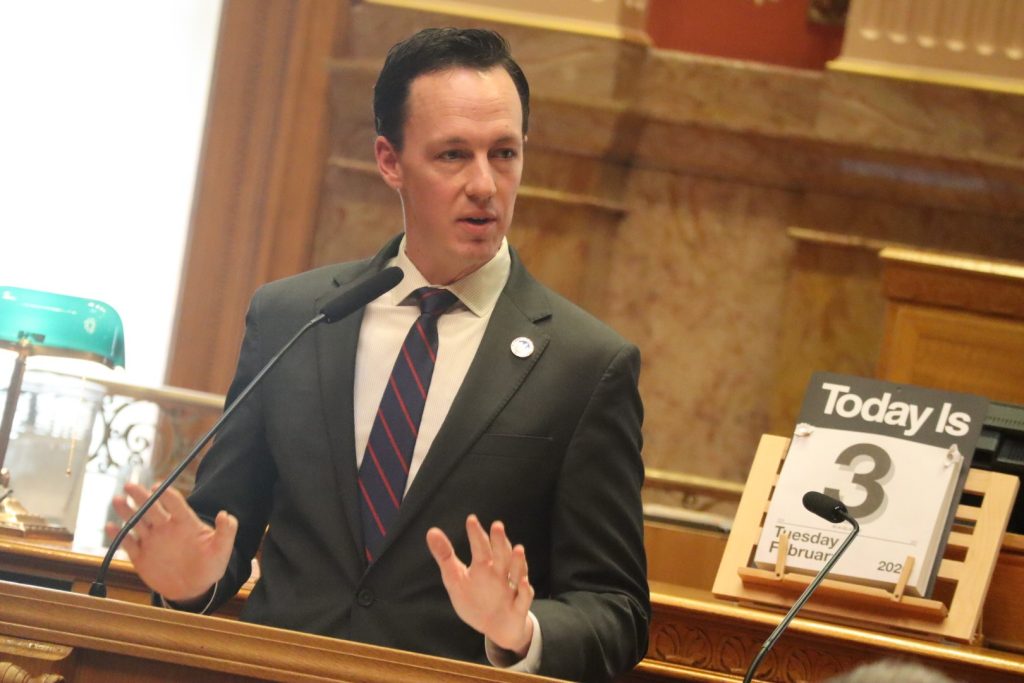
SB 15 would require a person charged with soliciting commercial sex activity of a child to spend a minimum of 364 days in a county jail as a condition of receiving probation. The bill also mandates minimum sentencing requirements for other related crimes, including pandering, procurement and pimping of a child, and keeping a place for commercial sexual activity with a child.
Additionally, the bill makes internet luring of a child for commercial sexual activity a Class 3 felony, which can result in four to 12 years of prison time. Another provision of the bill changes “child prostitution” in existing law to “commercial sexual activity with a child.”
“This bill is so important because it is brought to us by victims and advocates,” Pelton said during last week’s preliminary vote. “They see the increase in child solicitations, and they want to go after demand. That’s what they’re going after with this bill.”
Other attempts to increase child sex crime penalties have failed
While the bill won unanimous approval from Senate lawmakers, measures seeking to outright remove the chance of probation for child sex crimes have failed at the Capitol in recent years.
The most recent attempt, Senate Bill 111, which would have removed the chance of probation for certain Class 3 and 4 felonies for child sexual assault, was killed in March by four Democrats on the Senate Judiciary Committee. Roberts was the only Democrat on the committee to join Republicans in voting to advance the measure.
Democrats who voted against the measure were largely concerned with mandatory sentencing requirements, which they said would remove the ability for judges to weigh the nuances of specific cases and could result in unintended consequences for victims. They also raised fiscal issues with the bill, which was projected to have cost $3.5 million due to increased incarcerations at a time when the state is grappling with a $1 billion-plus budget shortfall.
Sen. Nick Hinrichsen, D-Pueblo, was one of the four Democrats who voted against that measure, but supported the bill led by Roberts during its Senate Judiciary Committee hearing in February.
“I, as a matter of philosophical value, struggle with mandatory (sentencing) minimums because I think that judicial discretion is a critical part of due process,” Hinrichsen said at the time. “Yet this is so significant a space that I can absolutely get beyond that, and that’s not a barrier for me on this bill.”
SB 15 will now be considered in the House.




Support Local Journalism
Support Local Journalism
Readers around Glenwood Springs and Garfield County make the Post Independent’s work possible. Your financial contribution supports our efforts to deliver quality, locally relevant journalism.
Now more than ever, your support is critical to help us keep our community informed about the evolving coronavirus pandemic and the impact it is having locally. Every contribution, however large or small, will make a difference.
Each donation will be used exclusively for the development and creation of increased news coverage.