More Colorado mountain communities exit fire restrictions, while others remain in Stage 1
While the White River National Forest is exiting fire restrictions, parts of the Medicine Bow-Routt National Forest and Arapaho and Roosevelt National Forests remain under Stage 1 restrictions

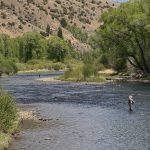
Austin Colbert/The Aspen Times
Wetter weather and cooler fall temperatures mean more Colorado mountain communities are removing fire restrictions.
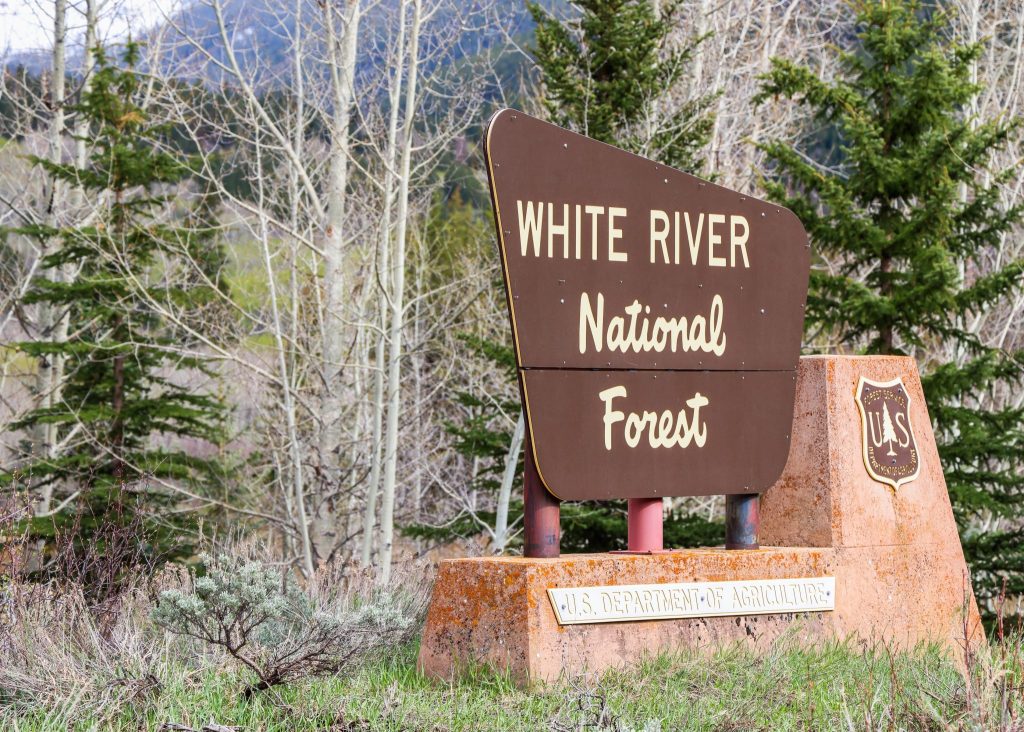
The entire White River National Forest — the most visited national forest in the country — exited Stage 1 fire restrictions on Friday, Sept. 25, allowing for backcountry campfires for the first time in months.
“It’s nice to see widespread moisture across the forest,” said White River National Forest Supervisor Brian Glaspell in a statement. “Please remember that lower fire danger doesn’t mean no fire danger, so continue to be vigilant and use common sense with fire.”
The White River National Forest exited fire restrictions this week in tandem with local governments, including Pitkin, Summit, Eagle and Garfield counties. The Pike-San Isabel National Forest and Comanche National Grasslands, along with Lake and Chaffee counties, also rescinded their fire restrictions earlier this month. Moffat County has also exited fire restrictions.
But Grand and Routt counties, as well as parts of the Medicine Bow-Routt National Forest and Arapaho and Roosevelt National Forests, remained under Stage 1 fire restrictions as of Friday.
Stage 1 fire restrictions prohibit open fires and campfires except within developed campgrounds with designated cement or metal fire rings, according to the Forest Service. Stage 1 restrictions also prohibit smoking outdoors except in a vehicle or area barren of flammable materials and places restrictions on the use of certain power tools and welding equipment.
Where campfires are allowed, wildfire officials are reminding campers to be vigilant, never leave a fire unattended and completely drown the fire until it is cool to the touch before leaving.
Colorado mountain communities began entering fire restrictions in mid-June, with most in Stage 2 fire restrictions by the Fourth of July. This summer was the hottest on record for Colorado and came on the back of a historically poor winter that left the state in deep drought. Several major wildfires burned in the state, including the Aspen Acres Fire that destroyed more than 300 homes.
The Upper Colorado Interagency Fire Management Unit that comprises the Colorado River Valley and Grand Junction Field Offices of the Bureau of Land Management and the White River National Forest saw more wildfires this year, but fewer human-caused fires.
So far this year, the management unit has reported 181 wildfires, including 32 human-caused starts, compared to 141 fires with 57 human-caused fires in 2025, according to a news release.
“We appreciate the public’s compliance and patience with fire restrictions over this very dry summer,” Glaspell said.



Support Local Journalism
Support Local Journalism
Readers around Glenwood Springs and Garfield County make the Post Independent’s work possible. Your financial contribution supports our efforts to deliver quality, locally relevant journalism.
Now more than ever, your support is critical to help us keep our community informed about the evolving coronavirus pandemic and the impact it is having locally. Every contribution, however large or small, will make a difference.
Each donation will be used exclusively for the development and creation of increased news coverage.