Bureau of Reclamation makes preparations to keep Lake Powell afloat amid dire drought conditions in Colorado River basin
The federal agency is planning to increase releases in an Upper Basin reservoir while cutting discharges from Lake Powell

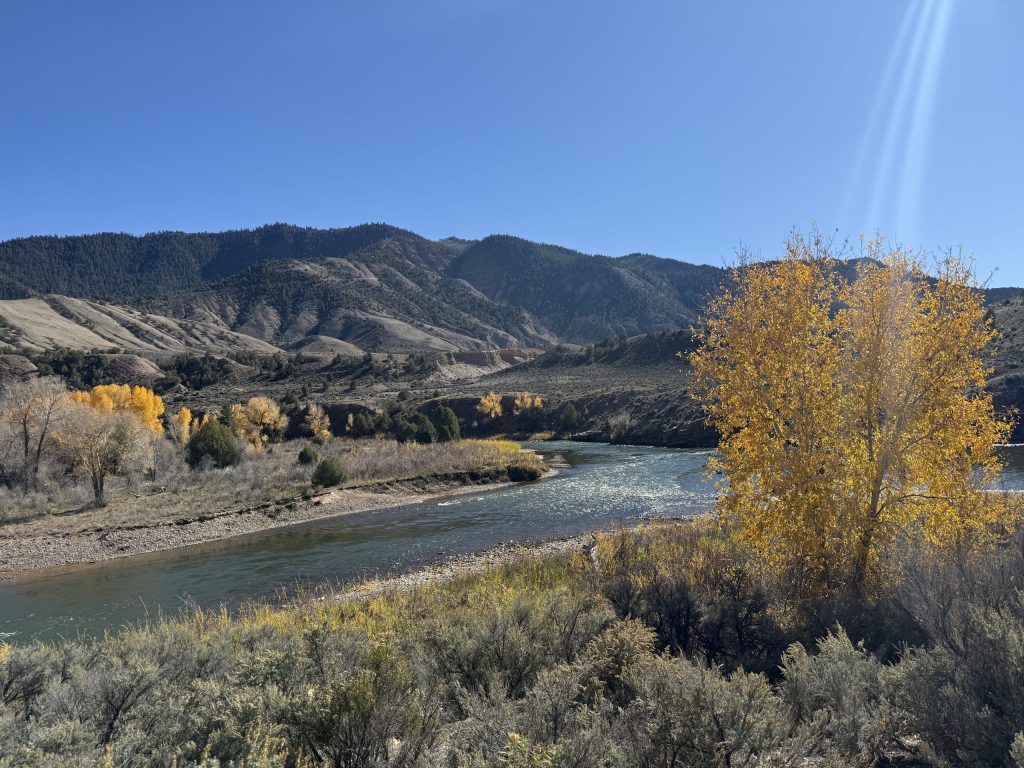
Ali Longwell/Post Independent
With a historic drought hitting the Colorado River basin, the U.S. Bureau of Reclamation is making preparations to slow releases from the river’s largest reservoir while increasing withdrawals from an Upper Basin reservoir.
“Given the severity of the risks facing the Colorado River system, it is imperative that we take action quickly to protect a resource that supplies water to 40 million people and supports vital agricultural, hydropower production, tribal, wildlife and recreational uses across the region,” said Andrea Travnice, the Bureau of Reclamation’s assistant secretary of water and science in a Friday, April 17 news release.
The Colorado River is divided into an upper and lower basin by a 1922 compact agreement, governing the river. States in the Upper Basin — Colorado, New Mexico, Utah and Wyoming — rely predominantly on snowpack for their water supply, while the Lower Basin states — Arizona, California and Nevada — rely on releases from Lake Powell and Lake Mead for their water supply.
This winter, snowpack across the Upper Basin was 23% of normal, marking a historic low. This, paired with the record-breaking heat in March — 13.7 degrees warmer than normal across the entire basin — has caused drought to deepen across the river basin. According to the National Drought Information System, the majority of streamflow forecast points in the Colorado River basin are forecast to produce less than 30% of the normal runoff.
In February, the Upper Colorado River Commission said this winter’s critically low snowpack will result in natural reductions “greater than 40% of the proven water rights” across the four states.
As a result, the Bureau of Reclamation is anticipating that inflow to Lake Powell will be 29% of the historical average, which it reports is one of the lowest on record. If water levels fall below a certain elevation — below 3,490 feet or roughly 15% of its capacity — it can impact operations, regional power and water supplies as well as reduce hydroelectric power generation. The Bureau is projecting it could hit this minimum power pool level by August.
As of April 19, Lake Powell and Lake Mead were 24% and 32% full, respectively.
On Friday, the Bureau said it was “moving quickly” to adapt and move forward with plans to reduce additional water from Flaming Gorge Reservoir, an Upper Basin reservoir in Utah and Wyoming that is currently 83% full. The federal agency reported that it will release between 660,000 acre-feet and 1 million acre-feet by April 2027 from the reservoir, drawing it down to 59% capacity.
One acre-foot is around 326,000 gallons of water, or enough water to fill half of an Olympic-size swimming pool.
Additionally, the Bureau is planning to reduce releases from Lake Powell to Lake Mead by 1.48 million acre feet through September. This will “accelerate the downstream decline of Lake Mead, with the potential for up to an additional 40% reduction to Hoover Dam’s hydropower generating capacity as early as this fall,” the federal agency reported in its release.
According to the agency, neither action will impact the contracted water rights at Lake Powell and Flaming Gorge. Both actions, however, should increase Lake Powell’s elevation by approximately 54 feet to at least 3,500 feet by April 2027 — just above the minimum power pool level.
The Bureau reported that it will not consider additional releases from other Upper Basin reservoirs — namely Blue Mesa and Navajo reservoirs — due to “their low water levels and poor forecasted inflows. Blue Mesa, located in Gunnison County and the largest reservoir in Colorado, currently sits at 47% full, according to the Bureau. Navajo Reservoir, located on the Colorado-New Mexico border, is 61% full.
These plans to draw down Flaming Gorge and reduce Lake Powell releases are currently under consideration, with the Bureau expected to finalize both this week.
On Friday, the Upper Colorado River Commission said in a statement that the four Upper Basin states “are taking unprecedented action to protect critical elevations at Lake Powell in the face of the dire conditions this year.”
“On top of implementing significant mandatory and uncompensated reductions through each state’s strict regulation of all water rights, each upper division state is also immediately implementing voluntary conservation and efficiency measures,” it adds.
The planned releases from Flaming Gorge Reservoir are among the measures being taken to support Lake Powell. The four upper state governors released a statement on April 9 on this proposed draw down and the “unprecedented year on the Colorado River.”
“We must have a clear understanding of how these proposed releases will effectively protect elevations at Lake Powell,” reads the governors’ statement. “Once the releases conclude, we expect that all water released from Flaming Gorge and other upstream reservoirs will be fully recovered. Further, any releases must be appropriately sized. Years like this one remind us that appropriate water storage helps us survive the dry years, and that we must be prepared not only for this year but future dry years, as well as average years.”
Future operations for Lake Powell and Lake Mead remain unknown
The dire drought conditions across the Colorado River basin come at a time of uncertainty for the future operations of Lake Powell and Lake Mead. The current operational guidelines for the two reservoirs have been under negotiation for many years and are set to expire this year.
After multiple years and several deadlines passing, the seven basin states have failed to agree on these post 2026 guidelines. The federal agency is moving forward with its National Environmental Policy Act process for the agreement and is preparing to set the operational framework itself in the absence of an interstate agreement.
The future guidelines will govern how the Bureau operates Lake Powell and Lake Mead, particularly under low reservoir conditions; allocates, reduces or increases annual allocations for consumptive use of water from Lake Mead to the Lower Basin states; stores and delivers water that has been saved through conservation efforts; manages and delivers surplus water; manages activities and makes cuts above Lake Powell and more.
So far, the states’ disagreements have been rooted in where cuts needed to be made to deal with these worsening conditions. The Lower Basin states offered up some cuts and pushed for basin-wide water use reductions. The Upper Basin states, however, have pushed back, claiming they already face natural water shortages driven primarily by the ups and downs of snowpack.
Despite interstate negotiations missing several key deadlines, the federal government has continued to push the importance of consensus and partnership between the states, tribes and stakeholders that rely on the Colorado River for water.
“With time running out, there is a need for extraordinary collaboration for 2027 and beyond,” the Bureau of Reclamation said in the Friday release.




Support Local Journalism
Support Local Journalism
Readers around Glenwood Springs and Garfield County make the Post Independent’s work possible. Your financial contribution supports our efforts to deliver quality, locally relevant journalism.
Now more than ever, your support is critical to help us keep our community informed about the evolving coronavirus pandemic and the impact it is having locally. Every contribution, however large or small, will make a difference.
Each donation will be used exclusively for the development and creation of increased news coverage.